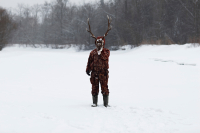

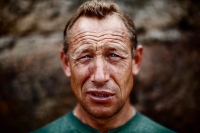
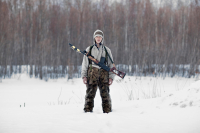
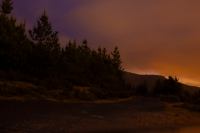
In 1997, a Russian poacher named Markov stumbled upon the trail of a massive Amur tiger. Despite the risks involved, Markov interpreted the tiger’s footprints as a promise of a better life. He fired a shot at the tiger but failed to kill it. The Udege people believe that if someone attacks a tiger without justification, Amba, the spirit of the tiger, will relentlessly pursue retribution. Unexpectedly, Markov had unleashed Amba, the darker aspect of the tiger.
Over the next 72 hours, the animal relentlessly tracked down Markov and ultimately killed him. Subsequent investigations suggested that the tiger planned its movements with a rare combination of strategy and instinct, and most notably, with a chilling clarity of purpose: Amba sought revenge.
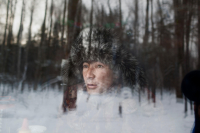
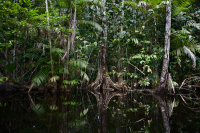
The Udege people have inhabited the Boreal Jungle for centuries, and their deep connection with nature has infused their beliefs with references to supernatural forces that demand reverence.
This animistic belief serves as a guiding theme to understand the profound influence of nature on Udege communities within one of the few remaining bastions of shamanism: the hunter’s culture of the Russian Far East.
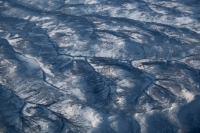
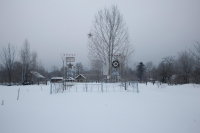
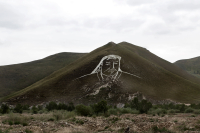
During the last Ice Age, a small group of Siberian hunters, driven by advancing ice sheets and enduring temperatures around minus 60°C, embarked on a northward migration. They ventured into a frozen territory that served as a bridge between Asia and America for 10,000 years. This is where our story begins—on the horizon between the familiar and the uncharted, at a place where the boundaries of ice, land, and ocean blur—a constantly shifting landscape known to the inhabitants of the Bering Strait as Kromka.
With the aim of gaining a deeper understanding of one of the most remarkable and enigmatic achievements in human history—the first population of the American continent—I embarked on a journey to foster a dialogue between science and art, bridging the realms of evolutionary biology and visual imagery. The artistic research that emerged from this collaboration charts a course through countless generations, seeking alternative perspectives on perception and tapping into a shared experience that unites us all: our collective memory.
The story of humanity can be viewed through the lens of continuous migration. Within this symbolic horizon, we find ourselves retracing the path of our ancestors time and time again, as well as envisioning the journeys of our descendants.
In 2016, I embarked on a journey across the American continent, spanning from its northern border at the Bering Strait in Russia to its southernmost point in Tierra del Fuego, Argentina. In this project, traditional cosmogonies engage in a dialogue with scientific knowledge through the analysis of genetic data, aiming to explore alternative perspectives on our connection with the land and our own identities.
The edge is an ongoing project developed with the support of the National Geographic Society, Museo de la Universidad de Navarra (MUNAV), Burroughs Wellcome Fund, and Rita Allen Foundation.
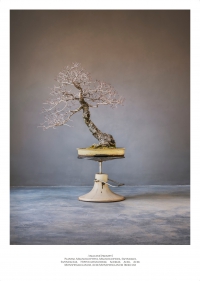
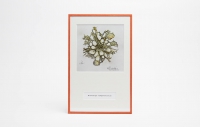
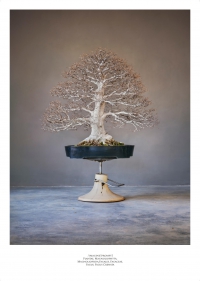
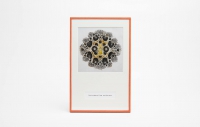
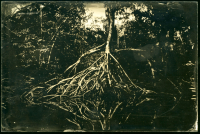
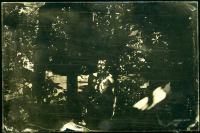
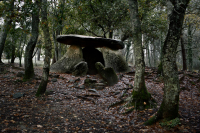
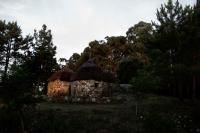
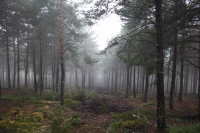
Neither completely domesticated nor completely wild, the dehesa is an ecosystem that challenges our classical binaries and confronts us with the liminal territory of intermediaries and exchanges. The symbiosis present in the dehesa invites us to conceive of ourselves not through borders but through continuities. Winter´s Memory is situated right there, amidst the associations that make evolution possible, in the territory of the undefinable, in the intricate knots that link one thing to another.
As early as the 1970s, biologist Lynn Margulis argued that symbiosis is the primary force of evolution. She said, “We are walking communities.” Álvaro Laiz expands on this idea in his work, directing his attention to the biological, cultural, technological, and spiritual symbioses that reconfigure the evolution of the modern world. The proposal is simple: no matter how we look at it, we are symbiotic beings—participants in relationships that shape and reshape us. But this seemingly harmless idea shakes the certainties upon which we have built our separation from “the other.” Suddenly, delimiting the human becomes complicated.
Through trees, lichens, and oracles, Winter´s Memory dwells in the tensions between the earthly and the sacred, the natural and the technological, the measurable and the speculative, questioning their duality. In this way, Álvaro proposes an approach to a natural philosophy that engages with deep time and our responsibility for the future, allowing us to question given reality and move effortlessly between science, poetry, and the sacred.
Winter´s memory
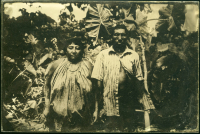
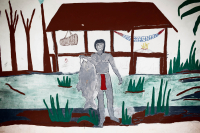
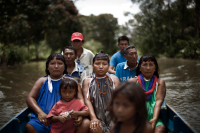
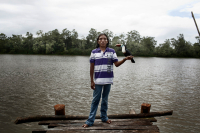
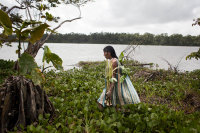
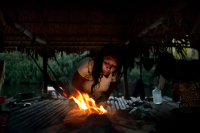
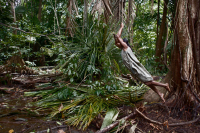
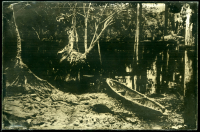
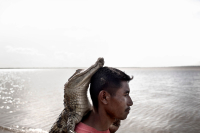
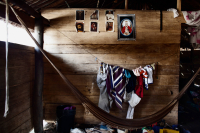
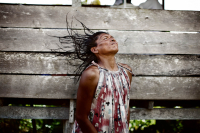
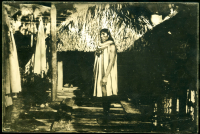
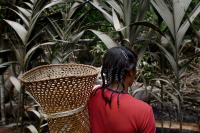
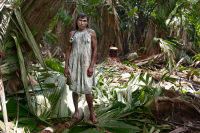
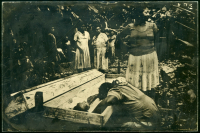
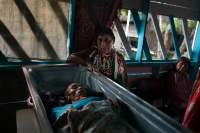
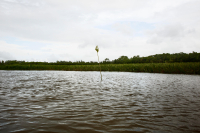
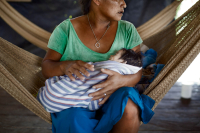
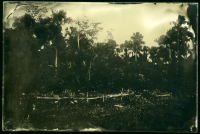
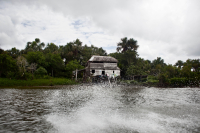
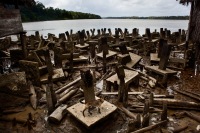
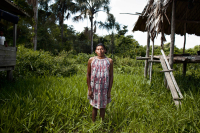
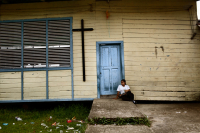
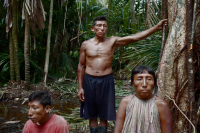
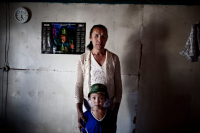
El Delta de Amacuro, ubicado en el este de Venezuela, es considerado uno de los lugares más inhóspitos del mundo. Durante los últimos 8.500 años, los indios Warao han hecho su hogar en sus 20.000 kilómetros cuadrados de canales de agua y pantanos. A pesar de la aculturación significativa que han sufrido debido al colonialismo, el pueblo Warao ha conservado con éxito su cultura y forma de vida, profundamente entrelazados con este entorno.
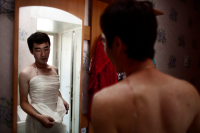
Antes de finales del siglo 20, el término berdache era comúnmente utilizado por los antropólogos como un término general para describir “individuos de dos espíritus o transgénero. En las sociedades de los Nativos Americanos, los berdaches desempeñaban roles vitales, tanto en aspectos religiosos como económicos. Se les asignaron deberes específicos dentro de su religión y no se esperaba que proporcionaran a sus familias de la misma manera que los hombres. En cambio, emprendieron parte del trabajo de las mujeres y adoptaron los comportamientos y el atuendo de las mujeres.
Los primeros exploradores y colonizadores españoles y franceses en América del Norte utilizaron estos términos para interpretar las relaciones, el sexo anatómico, el comportamiento sexual y los roles sociales de género de las personas que no encajaban dentro de sus propios marcos culturales.
Históricamente, las personas de dos espíritus a menudo se han integrado perfectamente en el tejido de sus tribus, manteniendo posiciones estimadas y respetadas dentro de sus comunidades. Las culturas nativas han sido típicamente cautelosas al compartir sus tradiciones de dos espíritus con extraños, temiendo posibles malentendidos o apropiación de estas tradiciones para agendas externas.
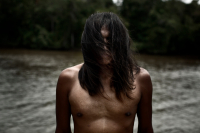
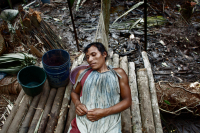
Los Warao, al igual que otros grupos étnicos, reconocen la existencia de individuos que no se ajustan a las categorías tradicionales de hombre o mujer. Estos individuos son conocidos como Tida Wena, y su inclusión en la sociedad Warao se remonta a las tradiciones precolombinas. Muchas de estas creencias prevalecían hace solo medio siglo, pero ahora están al borde de la extinción debido a la aculturación creciente.
La presencia de personas transgénero dentro de la sociedad Warao puede representar los últimos vestigios de estas antiguas tradiciones precolombinas, que nunca antes se habían documentado fotográficamente.
Wonderland
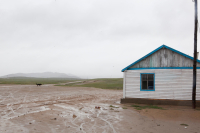
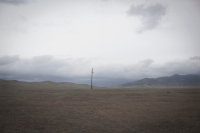
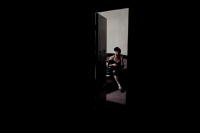
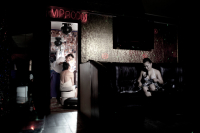
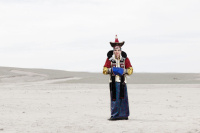
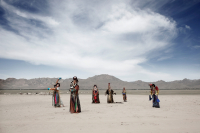
The secret history of the mongols, considered the oldest literary work in the Mongolian language, is the only significant native account of Mongolia’s rise to power around the 12th century AD. This text provides a clear narration of the events that transformed a dispersed land of nomads into Asia’s greatest dominion. The work vividly portrays the journey of a young Temujin before he became the great ruler of Asia: Genghis Khan.
Blending fictional and historical accounts, this epic poem and narrative recounts how the warrior managed to organize over thirty tribes vying for control and how, once in power, with the goal of increasing his population and confronting the Chinese army led by the Song dynasty, he declared homosexuality illegal under penalty of death.
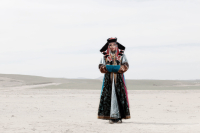
It is interesting to note that transsexuality has certain roots in Mongolian tradition. Shamans held a special status among the nomadic population, serving as a link between the spiritual and human worlds.
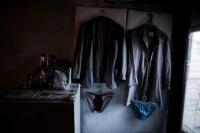
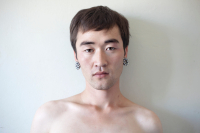
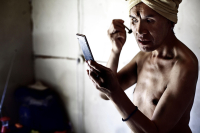
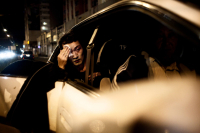
Today, more than eight hundred years later, Mongolia is a sovereign country with the lowest population density in the world, with fewer than two inhabitants per square kilometer; homosexuality remains a taboo subject. The weight of tradition and the years under Soviet control—a period during which homosexuals were sent to gulags—remain a burden for gay, lesbian, and transgender people, who continue to face repression, rejection, and victimization. Condemned to a life of secrecy, many turn to prostitution, while others lead lives of solitude. Younger generations struggle to leave Mongolia for countries like the Philippines or Japan, where their condition is more accepted, and the dream of a sex change is attainable; but above all, they search for an identity that, in their native land, has been denied for far too long.
The situation of the homosexual community has been documented in several reports by Amnesty International and Human Rights Watch, emphasizing that, “although homosexual conduct is not specifically classified as a crime, Amnesty International and the Association of Gays and Lesbians criticize the section of the Penal Code that references the pursuit of sexual pleasure as an immoral practice, arguing that it can be used against people displaying homosexual behavior, as well as the continued police surveillance.”
The annual human rights report on Mongolia states that “there have been complaints from people who have been publicly attacked, denied entry to shops and night bars, and discriminated against in the workplace because of their sexual orientation. There have also been reports of people detained in holding centers solely because of their sexual orientation.”
Gays, lesbians, and transgender people are socially repressed, rejected, and disadvantaged. Forced to seek help among people in similar situations, some end up working as sex workers, while others lead lives of isolation and concealment. Younger individuals fight to leave Mongolia for countries like the Philippines or Japan, where their condition is more accepted and, in some cases, where they can even aspire to undergo a sex change. Most importantly, they seek the social recognition that is impossible to attain in their own country.
Transmongolian
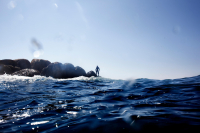
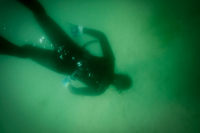
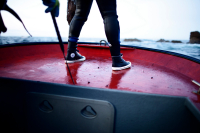
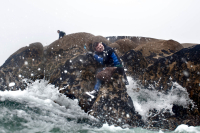
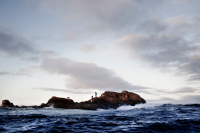
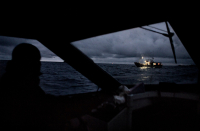
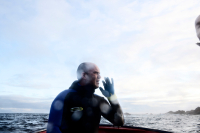
The coast of death is a coastline filled with shipwrecks in Galicia, northwest Spain. It’s a wild, atmospheric landscape on the very edge of Europe. As their ancestors did before them, Galician fishermen go every day into the deep, cold waters of the Atlantic Ocean. Some of them may not come back.
Unemployment in Spain has long been the highest within the European Union, and within Spain, Galicia has traditionally been one of the poorer regions—a fact that has pushed its people to risk their lives at sea for centuries.
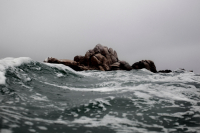
The percebes, the most expensive shellfish in the world, grow along the coastal cliffs but flourish most where the waves are highest and the wind is fiercest. Once on the rocks, the harvester can easily get clobbered by a breaker or simply slip into the sea. The brutal waves that the barnacles filter for their food wash barnacle fishermen to their deaths so regularly that the local marine rescue service cringes every time they get a call.
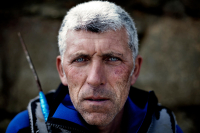
Atlantes portrays the way of life of the seamen on the Coast of Death—people who, day by day, face the possibility of losing everything, even their own lives.
Atlantes
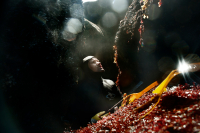
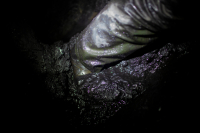
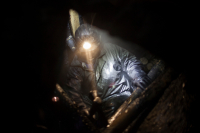
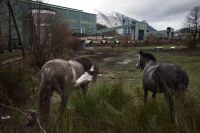
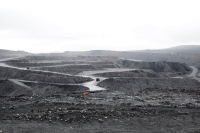
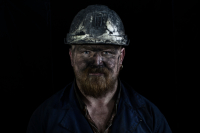
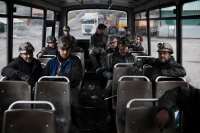
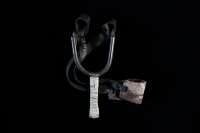
Fosil analyzes, documents, and shows the evolution of the decaying coal mining basins in northern Spain.
The name of the project refers both to the fossilized minerals from the Carboniferous period and the fossilization process that the mining industry is, paradoxically, experiencing.
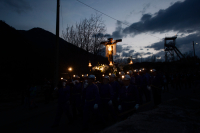
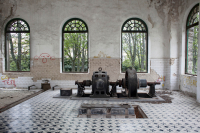
Since the end of the 19th century, the coal industry has represented much more than a business; it has been a way of life in northern Spain. Many villages and cities have grown around the mines, and now they are facing extinction.
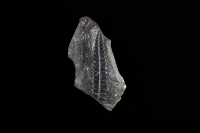
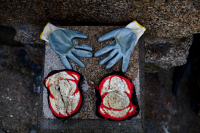
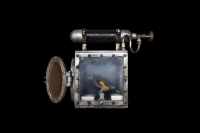
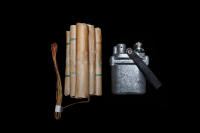
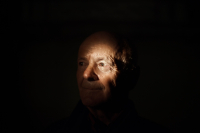
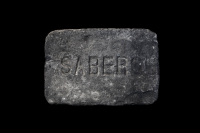
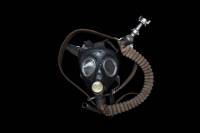
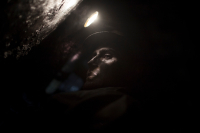
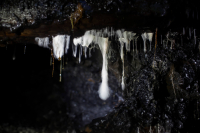
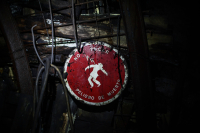
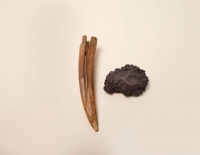
Through an almost archaeological approach, this project traverses the fossilized remains of the Carboniferous plants that gave rise to coal deposits, the faces of the protagonists of this vanishing way of life, and their daily tools—which today can be considered collectors’ items.
On one hand, Fosil documents the changing economic paradigm that has declared the mining industry unviable; on the other, it defends its cultural importance. Coal was once the main economic source in northern Spain, and now it seems to be condemned to oblivion. Fosil aims to recover and reclaim its legacy.
Fosil
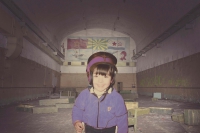
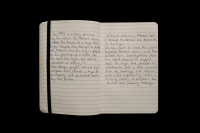
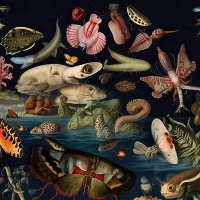
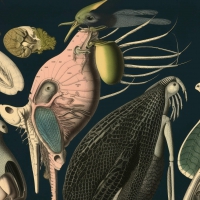
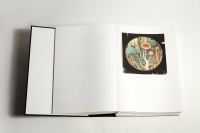
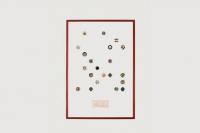
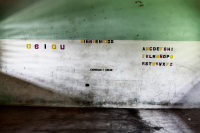
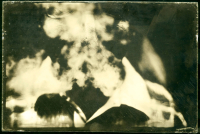
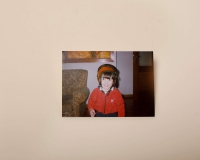
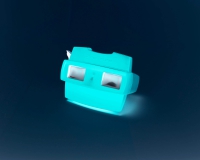
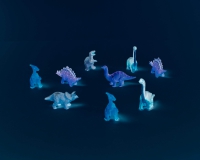
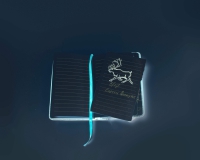
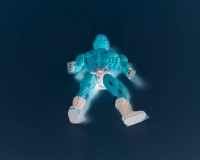
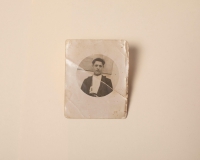
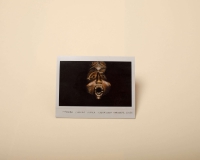
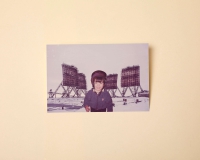
Our memory functions in a remarkable way, akin to a virtual theater. Many of my childhood memories appear as negative images, underdeveloped and waiting to be processed. Others reside in an intermediary space, existing halfway between the present and the past, reality and imagination. I recall my childhood and adolescence as a perplexing stage in which I perpetually felt like an outsider. Books, comics, movies, and video games served as my escape from a world where I didn’t quite fit in. Through these mediums, I connected with unfamiliar realms. Donning a helmet and clutching a book, I played the role of a time traveler, projecting myself into the future.
I was never really there initiates a dialogue that explores the concealed connections between distant and seemingly contrasting versions of myself, spanning both the past and the present. It’s akin to a trading card game played between the child I was in 1984 and the ever-evolving individual I’ve become in 2022—all in an attempt to discern which of these versions truly occupies the present moment.
I was never really there is a commissioned work created for Obscura’s project, The world today, which represents the first and most extensive collection of native NFT (non-fungible token) photography. This collection features 13,800 unique 1/1 NFT photographs encompassing cities, landscapes, communities, people, events, and conceptual images, all captured during March and April of 2022.
Inspired by the 1955 exhibition The family of man, curated by the legendary Edward Steichen for MoMA, The world today utilizes blockchain technology to establish a permanent record of our world. It incorporates rich metadata connections that expand and cross-reference the stories within, resulting in a complex network of properties and rarities, including 138 carefully curated pieces, one from each artist. The world today 10K+ represents a groundbreaking shift in the realm of photography, pushing the boundaries of what is possible in the web3 era. It has played a crucial role in introducing numerous world-class photographers to the world of NFTs.
I was really never there














































Financiado por
la Unión Europea
NextGenerationEU.